


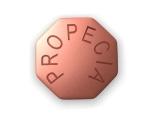


Propecia (Finasteride): Uses, Dosage, Safety and Ordering Information
Propecia contains finasteride 1 mg, a prescription medicine used for male pattern hair loss in adult men. It reduces conversion of testosterone to dihydrotestosterone, a hormone involved in androgenetic alopecia. Results vary, treatment benefit takes time to assess, and hair loss may resume after stopping. Propecia is not indicated for women or children.
Before you buy Propecia, confirm the prescription, strength, quantity, and dispensing pharmacy. The Propecia price can vary by pharmacy, coverage, quantity, and generic finasteride availability. Do not substitute a different finasteride strength or use a product intended for another condition without prescriber approval.
Indications
Propecia is used for male pattern hair loss. It does not treat every type of hair loss; sudden, patchy, inflammatory, or scarring hair loss needs clinical assessment. A clinician can help distinguish androgenetic alopecia from thyroid disease, nutritional problems, autoimmune disease, medication effects, or scalp disorders.
Dosage
Take Propecia exactly as prescribed. The standard tablet strength is 1 mg. You can buy Propecia 1 mg only when it matches the active prescription. Take it consistently, with or without food, and do not take extra tablets after a missed dose. Do not split or handle crushed tablets if pregnant or potentially pregnant, because exposure to finasteride can harm a male fetus.
Safety Information
Tell the clinician about liver disease, depression, sexual dysfunction, infertility concerns, prostate disease, pregnancy plans, and all medicine reactions. Possible effects include reduced libido, erectile dysfunction, ejaculation changes, breast tenderness or enlargement, rash, and mood changes. Seek prompt medical advice for breast lumps, nipple discharge, severe depression, suicidal thoughts, facial swelling, or breathing difficulty.
Finasteride can lower prostate-specific antigen values, which can affect interpretation of prostate testing. Tell every clinician that you take finasteride before PSA testing. Women who are pregnant or may become pregnant should not handle crushed or broken tablets.
Interactions
Provide a complete medicine and supplement list. Although major interactions are limited, a clinician should review hormone treatments, prostate medicines, and new prescriptions.
FAQ
Hair-loss treatment should be reviewed at planned intervals rather than judged day to day. Take photographs under similar lighting and hairstyle conditions if the prescriber recommends tracking progress. This can distinguish gradual change from normal shedding variation. Ask about other evidence-based options only after the clinician reviews your diagnosis, medical history, and goals. Do not combine prescription hair-loss medicines, hormone products, supplements, or online topical preparations without advice; ingredients and interactions may not be clear. Report any new breast symptoms, significant sexual changes, depressed mood, or anxiety promptly rather than discontinuing treatment without discussion. If a dose is missed, resume the next scheduled dose; taking additional tablets does not accelerate hair growth. Keep Propecia in its original container and do not leave broken tablets where a pregnant person could handle them. A pharmacist can explain generic substitution and supply options, but only the prescriber should change the treatment plan. If hair loss is sudden, patchy, painful, scarring, or accompanied by fatigue or other symptoms, request an assessment because a different cause may require different treatment.
Can I buy Propecia without a prescription? No. It requires a prescription.
Why does the Propecia price vary? Quantity, coverage, pharmacy, and generic supply affect price.
When should I expect change? Response varies and should be reviewed with the prescriber.
Disclaimer
This page is general education and does not replace personal medical advice, official labeling, or pharmacist counseling.


