


- Nejprodávanější
- COVID-19
- Alkoholismus
- Alergie
- Antimykotika
- Alzheimerova Choroba
- Antivirotika
- Antidepresiva
- Protizánětlivý
- Antibakteriální
- Antibiotika
- Antiparazitikum
- Artritida
- Astma
- Antikoncepce
- Krevní Tlak
- Rakovina
- Srdce A Cévy
- Cholesterol
- Cukrovka
- Diuretika
- Erektilní Dysfunkce
- Oční Kapky
- Zažívání
- Zdraví Obecně
- Ztráta Vlasů
- Virus Hepatitidy C (HCV)
- Bylinné Produkty
- HIV
- Hormony
- Męski ED Packs
- Mužské Zdraví
- Duševní Nemoci
- Kinetóza
- Uvolnění Svalů
- Úleva Od Bolesti
- Parkinsonova Nemoc
- Odvykání Kouření
- Péče O Kůži
- Na Spaní
- Hubnutí
- Veterinární Léčiva
- Vitamíny
- Ženské Zdraví
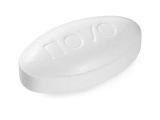
Generic Semaglutide

Semaglutide Uses, Dosage, Safety, and Interactions
Semaglutide is a glucagon-like peptide-1 receptor agonist used for type 2 diabetes, chronic weight management, and selected cardiovascular or kidney-risk indications depending on the licensed brand. Its active ingredient is semaglutide, a long-acting GLP-1 analogue supplied as a weekly injection or daily oral tablet.
- Indications: glycemic control in type 2 diabetes and chronic weight management in eligible patients; some products carry additional risk-reduction indications.
- Dosage: treatment begins at a low dose and is increased gradually; schedules and maintenance doses are brand- and indication-specific.
- Contraindications: personal or family history of medullary thyroid carcinoma, multiple endocrine neoplasia syndrome type 2, or serious hypersensitivity to semaglutide.
What is semaglutide prescribed for?
Semaglutide improves blood-glucose control in adults with type 2 diabetes when combined with nutrition, activity, and other appropriate care. Specific higher-dose products support long-term weight management in people who meet body-mass-index and health criteria. It is not insulin, does not treat type 1 diabetes or diabetic ketoacidosis, and should not be used solely for short-term cosmetic weight loss.
Patients considering whether to buy Semaglutide need a clinical assessment and a product-specific prescription. Semaglutide price differs substantially by brand, dosage form, strength, supply duration, insurance coverage, and pharmacy.
How does semaglutide work in the body?
Semaglutide activates GLP-1 receptors, increasing glucose-dependent insulin secretion and reducing inappropriate glucagon release when blood sugar is elevated. It also delays gastric emptying, affects appetite centers in the brain, and increases satiety. These actions can lower glucose and reduce calorie intake, but they also explain common gastrointestinal effects such as nausea and fullness.
How should semaglutide be dosed and administered?
Weekly injections are given subcutaneously in the abdomen, thigh, or upper arm on the same day each week, with injection sites rotated. Oral tablets are taken once daily under strict fasting conditions with a limited amount of plain water, followed by a waiting period before food, drink, or other oral medicines. Follow the instructions for the exact brand; oral and injectable products are not directly interchangeable.
When comparing where to buy Semaglutide 0.25 mg, 0.5 mg, 1 mg, 1.7 mg, or 2.4 mg injection pens, or 3 mg, 7 mg, or 14 mg tablets, confirm the prescribed brand and titration stage. A displayed Semaglutide price should be evaluated against the actual number of doses, pen design, and authorized supply chain.
What precautions are important before starting semaglutide?
Tell the prescriber about pancreatitis, gallstones or gallbladder disease, severe gastrointestinal disease, diabetic retinopathy, kidney impairment, planned surgery, or prior allergic reactions. Vomiting and diarrhea can cause dehydration and worsen kidney function. Rapid improvement in glucose may temporarily worsen diabetic retinopathy in susceptible patients, so eye monitoring may be needed.
Semaglutide delays stomach emptying and may affect anesthesia or deep sedation planning. Inform the surgical and anesthesia team well before a procedure. Never share an injection pen, even after changing the needle, because blood-borne infection can be transmitted.
What are the most common and serious side effects of semaglutide?
Nausea, vomiting, diarrhea, constipation, abdominal pain, reflux, belching, reduced appetite, and fatigue are common, especially during dose escalation. Smaller meals, adequate fluids, and adherence to the titration plan may improve tolerability, but persistent symptoms require professional advice.
Seek urgent care for severe or persistent upper-abdominal pain that may radiate to the back, symptoms of a serious allergic reaction, severe dehydration, markedly reduced urination, or possible gallbladder disease such as right-upper-abdominal pain with fever or jaundice. A neck mass, persistent hoarseness, swallowing difficulty, or shortness of breath warrants prompt assessment. The thyroid-tumor warning is based on rodent findings; its relevance to humans remains uncertain, but the formal contraindications must be observed.
Can semaglutide cause hypoglycemia?
Semaglutide alone has a relatively low risk of clinically significant hypoglycemia because insulin release is glucose-dependent. The risk rises when it is combined with insulin or an insulin secretagogue such as a sulfonylurea. The clinician may adjust those medicines. Sweating, tremor, hunger, confusion, and rapid heartbeat can signal low blood sugar and should be managed according to the patient’s diabetes plan.
How does semaglutide interact with other medicines?
Delayed gastric emptying may change the timing or absorption of oral medicines, particularly drugs requiring close monitoring. Insulin and sulfonylureas increase hypoglycemia risk. Semaglutide should not be combined with another semaglutide product or generally with another GLP-1 receptor agonist. Provide a full list of prescriptions, supplements, and weight-management products.
Is semaglutide safe during pregnancy or breastfeeding?
Semaglutide is not recommended for weight loss during pregnancy, and treatment should be stopped in advance of a planned pregnancy according to product guidance because the medicine remains in the body for weeks. Patients who become pregnant or who breastfeed should contact their clinician promptly for individualized diabetes or weight-management planning.
What happens after a missed dose or overdose?
Missed-dose instructions differ between daily tablets and weekly injections and can differ by brand. Follow the medication guide rather than improvising, and never double a dose. Overdose may produce prolonged severe nausea, vomiting, dehydration, or hypoglycemia, requiring immediate medical advice and extended observation because semaglutide has a long half-life.
How should semaglutide be stored?
Unopened injection pens generally require refrigeration and protection from light; never freeze them or use a pen that has been frozen. Permitted room-temperature storage after first use varies by product. Keep tablets in their original container. Always follow the brand label and keep all supplies away from children.
Before deciding to buy Semaglutide, verify eligibility, follow-up arrangements, and an authorized source. Semaglutide price should not outweigh authenticity, continuous clinical monitoring, and access to the correct maintenance strength.
People who buy Semaglutide should avoid unapproved or inaccurately labeled products and should never adjust the dose without the prescriber.
Medical information disclaimer
This page provides general educational information and does not replace a diagnosis, prescription, medication guide, or individualized advice. Seek urgent medical care for a severe reaction or suspected overdose.


| Způsob dopravy | Čas doručení | Cena | |
 Letecká doprava Doprava Letecká doprava Doprava |
14-21 Dnů | 14.95$ | Sledování # k dispozici 4 Dnů |
 Služba s možností trackování Doprava Služba s možností trackování Doprava |
9-14 Dnů | 30$ | Sledování # k dispozici 2 Dnů |
- Přeprava celosvětove
- Důvěrnost a záruka anonymity
- Bezpečný a spolehlivý
- Diskrétní vypadající balíčky
- Expedice objednávek do 24 hodin
- 100% uspěšnosť dodávky