


- Nejprodávanější
- COVID-19
- Alkoholismus
- Alergie
- Antimykotika
- Alzheimerova Choroba
- Antivirotika
- Antidepresiva
- Protizánětlivý
- Antibakteriální
- Antibiotika
- Antiparazitikum
- Artritida
- Astma
- Antikoncepce
- Krevní Tlak
- Rakovina
- Srdce A Cévy
- Cholesterol
- Cukrovka
- Diuretika
- Erektilní Dysfunkce
- Oční Kapky
- Zažívání
- Zdraví Obecně
- Ztráta Vlasů
- Virus Hepatitidy C (HCV)
- Bylinné Produkty
- HIV
- Hormony
- Męski ED Packs
- Mužské Zdraví
- Duševní Nemoci
- Kinetóza
- Uvolnění Svalů
- Úleva Od Bolesti
- Parkinsonova Nemoc
- Odvykání Kouření
- Péče O Kůži
- Na Spaní
- Hubnutí
- Veterinární Léčiva
- Vitamíny
- Ženské Zdraví
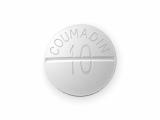
Generic Coumadin ( Warfarin )


Coumadin (Warfarin): Uses, INR Monitoring, Safety, and Interactions
Coumadin is a brand name for warfarin, a prescription anticoagulant. It reduces the blood's ability to form harmful clots by interfering with vitamin K-dependent clotting factors. Warfarin does not dissolve a clot immediately and does not make blood literally thin; it lowers the risk that clots will form, grow, or travel. Because the difference between an effective and unsafe dose can be small, treatment requires regular international normalized ratio (INR) monitoring and close coordination with the prescriber or anticoagulation clinic.
Anyone considering Coumadin must have a valid prescription and a personalized INR-monitoring plan. Coumadin price can vary by strength, pharmacy, manufacturer, insurer, and dispensing quantity. Cost should never result in skipped tablets, use of another person's medicine, a self-directed change in strength, or substitution with another anticoagulant. Anticoagulation decisions are individualized and may change around procedures, illness, pregnancy, or new medicines.
Indications
Warfarin is used to treat or prevent blood clots in conditions such as deep-vein thrombosis, pulmonary embolism, atrial fibrillation, and certain mechanical heart valves. It may also be prescribed in other situations when a clinician determines that clot risk is high. The intended INR range, duration of treatment, and monitoring schedule depend on the reason for anticoagulation, clot history, bleeding risk, age, kidney and liver function, and other treatments.
Warfarin is not a medicine to start or stop based on symptoms. Sudden shortness of breath, chest pain, coughing blood, one-sided leg swelling or pain, weakness on one side of the body, trouble speaking, severe headache, or vision loss may signal a clot-related emergency. Seek emergency care immediately rather than taking an extra anticoagulant dose. Similarly, suspected serious bleeding requires urgent evaluation.
Dosage
Coumadin dosing is individualized from INR results and clinical factors; there is no universally correct daily dose. Tablets are available in multiple strengths, including 1 mg, 2 mg, 2.5 mg, 3 mg, 4 mg, 5 mg, 6 mg, 7.5 mg, and 10 mg. Patients with a valid prescription can buy Coumadin 5 mg when that exact tablet strength is part of the regimen ordered by the anticoagulation provider. The number of tablets and the dose can differ on different days of the week, so follow the written schedule exactly.
Take warfarin at the same time every day, with or without food, as instructed. Do not double a dose after a missed tablet. If a dose is missed, contact the anticoagulation clinic or follow its written plan; record what happened and never guess how to compensate. Patients may buy Coumadin 2 mg or another prescribed strength only when it supports the clinician's dosing schedule. Keep every INR test appointment and report missed doses, vomiting or diarrhea, major dietary changes, and new medicines before the next test.
Keep vitamin K intake consistent rather than avoiding all vitamin-K-containing foods. Leafy green vegetables and certain oils can affect warfarin response, but sudden increases or decreases are more problematic than a stable, balanced diet. Avoid binge alcohol use and discuss alcohol, cranberry products, supplements, and nutrition shakes with the care team. Coumadin price should be discussed early with the pharmacist or insurer if it threatens adherence; do not ration tablets or change the product without INR follow-up.
Safety Information
Bleeding is warfarin's most serious risk. Seek emergency care for vomiting blood, coughing blood, black or bloody stools, red or dark-brown urine, severe or persistent headache, confusion, fainting, weakness, a fall or head injury, unusually heavy menstrual bleeding, or bleeding that will not stop. Contact the anticoagulation provider promptly for frequent nosebleeds, bleeding gums, unexplained bruising, prolonged bleeding from small cuts, or any new symptom that concerns you.
Rare but serious complications include skin necrosis and, in some patients, purple-toe syndrome. Report painful, dark, discolored, blistering, or ulcerated skin and painful blue or purple toes urgently. Tell every healthcare professional, dentist, surgeon, emergency clinician, and pharmacist that you use warfarin before procedures, injections, dental work, or new treatment. Do not participate in contact sports or high-injury-risk activities without discussing safer alternatives with the care team.
Warfarin is contraindicated in pregnancy except in limited, specialist-directed circumstances because it can harm the fetus. Pregnancy planning, a positive pregnancy test, breastfeeding, or contraception questions require prompt advice from the anticoagulation and obstetric teams. Liver disease, kidney impairment, uncontrolled high blood pressure, frequent falls, alcohol misuse, and a history of bleeding all require individualized risk assessment. Patients should buy Coumadin only through a licensed pharmacy with a valid prescription and ongoing INR oversight.
Interactions
Warfarin has many clinically important interactions. Antibiotics, antifungals, amiodarone, seizure medicines, thyroid medicines, antidepressants, anti-inflammatory medicines, and many other drugs can raise or lower INR. Aspirin, ibuprofen, naproxen, and other nonsteroidal anti-inflammatory drugs can increase bleeding risk even when INR is unchanged. Acetaminophen may also affect INR when used regularly or at high doses. Ask the prescriber or pharmacist before taking any pain reliever, cold remedy, antibiotic, vitamin, or supplement.
Herbal and dietary products can also affect anticoagulation. St John's wort, ginkgo, garlic, ginseng, green tea products, and many other supplements may alter bleeding risk or INR. Tell the clinic about tobacco or cannabis use, alcohol changes, appetite changes, and illness. Start or stop no medicine, supplement, or herbal product without checking with the clinician who manages INR testing. Extra INR checks may be necessary after a change.
Coumadin price should never take priority over interaction screening, dependable INR testing, or accurate tablet strength. A pharmacist can help identify medicines that need review, while the anticoagulation provider determines any dose changes. Patients should buy Coumadin only through a licensed source and follow the written schedule exactly.
Medical disclaimer: This content is for informational purposes only and does not replace advice, diagnosis, or treatment from a licensed healthcare professional. It is not a substitute for approved prescribing information or emergency care. Patients should follow their prescriber's directions and consult their healthcare professional about personal medical decisions, symptoms, medicines, monitoring, and treatment changes.


| Způsob dopravy | Čas doručení | Cena | |
 Letecká doprava Doprava Letecká doprava Doprava |
14-21 Dnů | 14.95$ | Sledování # k dispozici 4 Dnů |
 Služba s možností trackování Doprava Služba s možností trackování Doprava |
9-14 Dnů | 30$ | Sledování # k dispozici 2 Dnů |
- Přeprava celosvětove
- Důvěrnost a záruka anonymity
- Bezpečný a spolehlivý
- Diskrétní vypadající balíčky
- Expedice objednávek do 24 hodin
- 100% uspěšnosť dodávky