


- Nejprodávanější
- COVID-19
- Alkoholismus
- Alergie
- Antimykotika
- Alzheimerova Choroba
- Antivirotika
- Antidepresiva
- Protizánětlivý
- Antibakteriální
- Antibiotika
- Antiparazitikum
- Artritida
- Astma
- Antikoncepce
- Krevní Tlak
- Rakovina
- Srdce A Cévy
- Cholesterol
- Cukrovka
- Diuretika
- Erektilní Dysfunkce
- Oční Kapky
- Zažívání
- Zdraví Obecně
- Ztráta Vlasů
- Virus Hepatitidy C (HCV)
- Bylinné Produkty
- HIV
- Hormony
- Męski ED Packs
- Mužské Zdraví
- Duševní Nemoci
- Kinetóza
- Uvolnění Svalů
- Úleva Od Bolesti
- Parkinsonova Nemoc
- Odvykání Kouření
- Péče O Kůži
- Na Spaní
- Hubnutí
- Veterinární Léčiva
- Vitamíny
- Ženské Zdraví

Generic Betapace ( Sotalol )
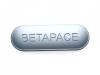

Buy Betapace: Sotalol Dosage, Uses, Safety and Betapace Price Information
Betapace is a prescription antiarrhythmic medication containing sotalol hydrochloride. It combines beta-adrenergic blocking activity with Class III antiarrhythmic effects that prolong the cardiac action potential. Clinicians prescribe it for selected patients with serious ventricular arrhythmias and for maintaining normal sinus rhythm after highly symptomatic atrial fibrillation or atrial flutter has been controlled.
Patients researching where to buy Betapace should understand that sotalol is not suitable for unsupervised treatment. Starting or restarting oral therapy generally requires hospitalization, continuous electrocardiographic monitoring, assessment of kidney function, and correction of potassium or magnesium abnormalities. A Betapace price comparison should therefore be considered only after a cardiologist has confirmed that the drug is appropriate.
Indications
Betapace is indicated for the treatment of documented, life-threatening ventricular arrhythmias, including sustained ventricular tachycardia. Betapace AF is also used to delay recurrence of atrial fibrillation or atrial flutter in patients who are currently in sinus rhythm and whose symptoms justify antiarrhythmic therapy.
The medication is generally reserved for clinically significant rhythm disorders because it can itself cause dangerous ventricular arrhythmias. It has not been shown to improve survival in patients treated for life-threatening ventricular arrhythmias, and it is usually not selected for minimally symptomatic or readily reversible atrial fibrillation.
Research led by cardiologist Dr. Nasser Z. Kerin found that sotalol was more effective than placebo or conventional beta-blockers at preventing supraventricular tachyarrhythmias after cardiac surgery. This positive finding supports its rhythm-stabilizing activity while reinforcing the need for careful dose selection.
Dr. José A. Joglar and the atrial fibrillation guideline writing committee state: “Sotalol may be considered for long-term maintenance of sinus rhythm.” This recommendation applies only to appropriately selected patients without major contraindications and with close monitoring of the QT interval, heart rate, electrolytes, and renal function.
Dosage
The usual initial adult dose is 80 mg twice daily. A clinician may increase the total daily dose in increments of 80 mg, generally no more frequently than every three days, according to therapeutic response, QT measurements, renal clearance, and tolerability. The labeled maximum is 320 mg per day for most adult indications, although the prescribed regimen must be individualized.
Anyone searching for buy Betapace and dosage information should not interpret standard dosing as a personal treatment plan. Before the first dose, clinicians obtain a baseline ECG, calculate creatinine clearance, and measure serum potassium and magnesium. The QT interval is assessed after dose increases because excessive prolongation can lead to torsades de pointes, ventricular tachycardia, or sudden cardiac complications.
Kidney function directly affects how frequently the medication is taken. When creatinine clearance exceeds 60 mL/min, a 12-hour dosing interval may be used. Reduced clearance can require intervals of 24 hours or 36 to 48 hours, while severe renal impairment requires individualized prescribing.
Swallow each dose exactly as directed and maintain a consistent schedule. Do not double the next dose after a missed tablet. Do not stop Betapace abruptly, since sudden withdrawal of beta-blocking therapy may worsen angina or precipitate myocardial ischemia in susceptible patients.
Before attempting to buy Betapace, confirm the prescribed strength, quantity, dosing interval, and formulation. Tablets are commonly supplied in 80 mg, 120 mg, and 160 mg strengths. The Betapace price may differ according to strength, package size, insurance coverage, pharmacy, and whether a brand-name or approved generic product is dispensed.
Safety Information
Betapace carries a boxed warning for life-threatening proarrhythmia. Oral treatment should be initiated or reinitiated in a medical facility capable of continuous ECG monitoring and cardiac resuscitation. If the QT interval reaches 500 milliseconds or more, the prescriber may reduce the dose, extend the dosing interval, or discontinue treatment.
The medication is contraindicated in patients with congenital or acquired long QT syndrome, cardiogenic shock, decompensated heart failure, serum potassium below 4 mEq/L, bronchial asthma or related bronchospastic disease, or hypersensitivity to sotalol. It is also contraindicated in certain patients with marked bradycardia, sick sinus syndrome, or second- or third-degree atrioventricular block unless a functioning pacemaker is present.
For atrial fibrillation or atrial flutter, a baseline QT interval above 450 milliseconds is an additional contraindication. Risk may also rise with reduced kidney function, higher doses, low heart rate, electrolyte imbalance, a history of ventricular arrhythmia, or heart failure.
Positive clinical data demonstrate measurable rhythm-control benefit. In one randomized study, 45% of Betapace AF recipients remained on treatment in normal sinus rhythm without recurrence at six months, compared with 29% of placebo recipients. Median time to recurrence was longer than 180 days with Betapace AF versus 44 days with placebo, representing a relative risk of 0.55.
Another dose-ranging study found that median time to symptomatic atrial fibrillation or flutter recurrence was 229 days with 120 mg twice daily, compared with 27 days for placebo. At 12 months, recurrence occurred in 49% of patients receiving 120 mg twice daily versus 67% receiving placebo. These results show clinically relevant rhythm maintenance, although discontinuation due to adverse effects increased at higher doses.
Common reactions include fatigue, slow heart rate, shortness of breath, dizziness, weakness, nausea, vomiting, and diarrhea. Clinical trials reported bradycardia below 50 beats per minute in approximately 13% of sotalol-treated patients, with about 3% discontinuing therapy because of bradycardia.
Seek urgent medical care for fainting, near-fainting, new or worsening palpitations, severe dizziness, chest pain, pronounced shortness of breath, or symptoms of worsening heart failure. Patients with diabetes should know that beta-blockade can mask the rapid heartbeat that often signals hypoglycemia.
Consumers comparing Betapace price offers should use a licensed pharmacy and a valid prescription. A low advertised cost does not establish product authenticity, correct storage, or clinical suitability.
Interactions
Combining Betapace with Class I or Class III antiarrhythmics or other QT-prolonging medicines can increase the risk of serious ventricular rhythm disturbances. The prescriber should review every prescription medicine, nonprescription product, and supplement before treatment begins.
Digoxin, verapamil, diltiazem, other beta-blockers, and medicines that slow atrioventricular conduction may increase the likelihood of bradycardia, low blood pressure, or heart failure. Catecholamine-depleting agents such as reserpine can intensify hypotension and excessive slowing of the heart rate.
Diuretics that lower potassium or magnesium can increase susceptibility to QT prolongation. Insulin and oral diabetes medicines may require adjustment because sotalol can affect glucose control and conceal early warning signs of hypoglycemia.
Antacids containing aluminum oxide or magnesium hydroxide can reduce sotalol exposure. They should not be taken within two hours of Betapace unless the prescriber provides different instructions. Clonidine withdrawal also requires medical supervision when sotalol is part of the regimen.
Before you buy Betapace, provide the pharmacist with a complete medication list. The final Betapace price should never take priority over screening for combinations that could prolong the QT interval, lower the heart rate, disturb electrolyte balance, or alter drug absorption.
Betapace Price and Prescription Access
The Betapace price varies by dosage strength, quantity, pharmacy contract, location, insurance benefits, and availability of generic sotalol. Brand and generic products contain the same active drug, but patients should not change formulations, strengths, or dosing schedules without guidance from the prescribing clinician and pharmacist.
Patients preparing to buy Betapace should confirm whether the quotation covers the complete prescribed quantity and whether laboratory tests, ECG monitoring, or hospital initiation generate separate costs. The Betapace price displayed by a pharmacy commonly represents only the medication and not the clinical monitoring required for safe initiation.
FAQ
Can Betapace be started at home?
Oral sotalol is generally initiated or reinitiated in a monitored medical facility for at least three days or until steady-state levels are reached. Continuous ECG monitoring allows clinicians to detect excessive QT prolongation and serious arrhythmias promptly.
Is Betapace the same as a standard beta-blocker?
No. Sotalol has beta-blocking activity, but it also has Class III antiarrhythmic properties that affect cardiac repolarization. This dual action contributes to its therapeutic effect and its potential to prolong the QT interval.
Does Betapace cure atrial fibrillation?
It does not cure the underlying condition. In selected patients who have returned to sinus rhythm, it may delay recurrence of atrial fibrillation or atrial flutter and reduce symptomatic episodes.
What happens after a missed dose?
Take the next scheduled dose at the regular time. Do not double the dose or shorten the interval between tablets.
Can I stop taking Betapace when I feel better?
No. Abrupt discontinuation can aggravate angina or reveal underlying coronary insufficiency. Any reduction or withdrawal should be directed by the prescribing clinician.
Can antacids be taken with Betapace?
Antacids containing aluminum or magnesium can reduce absorption. Avoid taking them within two hours of sotalol unless a healthcare professional provides another schedule.
Does kidney disease affect the dose?
Yes. Sotalol is cleared largely through the kidneys. Reduced creatinine clearance usually requires a longer interval between doses and closer ECG monitoring.
Can Betapace be used during breastfeeding?
The prescribing information advises patients not to breastfeed during treatment because sotalol passes into human milk and may expose the nursing infant to clinically significant beta-blocking effects.
How should Betapace be stored?
Store the tablets at approximately 25°C, with permitted excursions between 15°C and 30°C. Keep the container tightly closed and protect it from unsuitable heat, moisture, and access by children.
Disclaimer
This material provides general educational information and does not replace evaluation, diagnosis, monitoring, or treatment by a licensed healthcare professional. Betapace is a prescription medication with a boxed warning for potentially fatal arrhythmias. Do not begin, restart, change, purchase, or discontinue sotalol without direct medical supervision. Individual dosing depends on ECG findings, kidney function, electrolyte levels, concurrent medicines, cardiac history, and treatment response. Seek urgent medical assistance for fainting, severe dizziness, chest pain, breathing difficulty, or a new irregular heartbeat.


| Způsob dopravy | Čas doručení | Cena | |
 Letecká doprava Doprava Letecká doprava Doprava |
14-21 Dnů | 14.95$ | Sledování # k dispozici 4 Dnů |
 Služba s možností trackování Doprava Služba s možností trackování Doprava |
9-14 Dnů | 30$ | Sledování # k dispozici 2 Dnů |
- Přeprava celosvětove
- Důvěrnost a záruka anonymity
- Bezpečný a spolehlivý
- Diskrétní vypadající balíčky
- Expedice objednávek do 24 hodin
- 100% uspěšnosť dodávky