


- Bestsellers
- COVID-19
- Alcoholism
- Allergy
- Anti Fungal
- Alzheimers
- Anti Viral
- Anti-Depressants
- Anti-Inflammatory
- Antibacterial
- Antibiotics
- Antiparasitic
- Arthritis
- Asthma
- Birth Control
- Blood Pressure
- Cancer
- Cardiovascular
- Cholesterol
- Diabetes
- Diuretics
- Erectile Dysfunction
- Eye Drop
- Gastro Health
- General Health
- Hair Loss
- Hepatitis C Virus (HCV)
- Herbals
- HIV
- Hormones
- Men's ED Packs
- Men's Health
- Mental Illness
- Motion Sickness
- Muscle Relaxant
- Pain Relief
- Parkinson’s Disease
- Quit Smoking
- Skin Care
- Sleeping Aids
- Weight Loss
- Veterinary Medicines
- Vitamins
- Women's Health
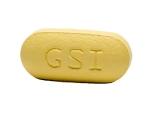
Generic MyHep ( Sofosbuvir )

MyHep: uses, dosage, safety, and treatment guidance
MyHep is a hepatitis C nucleotide analog NS5B polymerase inhibitor used to cure chronic hepatitis C when combined with other direct-acting antivirals in an appropriate genotype and disease-stage regimen. The active ingredient is sofosbuvir, marketed in various regions under MyHep 400 mg and other generic sofosbuvir products.
- Indications: chronic hepatitis C virus infection as one component of a current specialist-selected combination regimen, including patients with cirrhosis, HIV coinfection, or transplant considerations when the chosen combination is suitable.
- Dosage: 400 mg once daily with or without food, always combined with another antiviral according to genotype, prior treatment, cirrhosis, kidney status, resistance, and current regional recommendations.
- Contraindications: hypersensitivity to sofosbuvir or an excipient; contraindications of every partner drug also apply, and amiodarone combination is generally avoided because of serious bradycardia risk.
What is MyHep used for?
MyHep is prescribed for carefully selected patients when its expected clinical benefit outweighs its condition-specific risks.
Chronic hepatitis C virus infection as one component of a current specialist-selected combination regimen, including patients with cirrhosis, HIV coinfection, or transplant considerations when the chosen combination is suitable. Diagnosis matters because similar symptoms can arise from conditions that need different treatment. A prescriber considers medical history, current medicines, examination findings, laboratory data, and treatment goals before choosing this drug.
How does MyHep work?
Sofosbuvir is converted inside hepatocytes to a uridine nucleotide triphosphate analog. Hepatitis C NS5B RNA-dependent RNA polymerase incorporates it into viral RNA, causing chain termination and preventing replication.
The pharmacologic effect does not make the medicine suitable for every person with similar symptoms. Patients who plan to buy MyHep should verify the diagnosis and prescription first, because MyHep price cannot substitute for clinical selection, monitoring, or authentic supply.
How should MyHep be taken or used?
Take one tablet daily at a consistent time as part of the complete prescribed antiviral combination. Do not use MyHep alone, reuse an outdated interferon-era schedule, or stop a partner drug independently. Current regimens often pair sofosbuvir with velpatasvir, ledipasvir, or another direct-acting agent.
Read the dispensing label every time, use the correct measuring or administration device, and never share prescription medicine. Contact the care team before changing the schedule, crushing a dosage form, switching formulations, or stopping long-term therapy.
Which MyHep dosage variants are available?
Common marketed variants include 400 mg film-coated tablets; pediatric 200 mg tablets and 150 mg or 200 mg oral pellets are available for eligible weight groups in some markets.
Availability and licensed indications differ by country and manufacturer. When comparing where to buy MyHep 400 mg film-coated tablets; pediatric 200 mg tablets and 150 mg or 200 mg oral pellets are available for eligible weight groups in some markets, confirm the precise strength, dosage form, route, and package directions rather than choosing by MyHep price alone. Products with different release characteristics, concentrations, or routes may not be interchangeable.
What are the most common side effects of MyHep?
The more frequently reported effects include headache, fatigue, nausea, insomnia, and regimen-dependent anemia or gastrointestinal symptoms.
Not every patient experiences these reactions, and their likelihood depends on dose, formulation, duration, health status, and other medicines. Record when symptoms begin and whether they follow a dose. Persistent, worsening, or function-limiting effects should be discussed rather than managed by an unapproved dose change.
Which serious effects require urgent medical care?
Very slow heartbeat, fainting, severe weakness, jaundice, facial swelling, or symptoms of hepatitis B reactivation requires urgent care. Serious bradycardia has occurred with amiodarone, and partner medicines add their own liver, blood, pregnancy, and interaction risks.
Emergency warning signs should not be watched at home while waiting for the next routine appointment. Bring the medication package and a current medicine list when seeking urgent help so clinicians can identify the active ingredient, strength, and possible interaction.
Which medicines and substances interact with MyHep?
Amiodarone is generally avoided. Rifampin, rifabutin, carbamazepine, phenytoin, phenobarbital, oxcarbazepine, and St John’s wort can reduce antiviral exposure through transporter induction. Acid-reducing medicine interactions depend on the partner drug, especially velpatasvir or ledipasvir.
Give the prescriber and pharmacist a complete list of prescription drugs, nonprescription products, vitamins, supplements, and recreational substances. Interaction risk can arise when another drug is started, stopped, or dose-adjusted, even after a stable period on treatment.
Can MyHep be used with alcohol?
Alcohol advice depends on the indication, formulation, organ function, and other medicines, so an individualized recommendation is safer than assuming that moderate use is harmless.
Alcohol may worsen dizziness, sedation, dehydration, low blood pressure, impaired glucose control, gastrointestinal irritation, or liver stress where those effects are relevant. Avoid alcohol when the prescriber or product information advises it, and never drive when treatment or alcohol impairs alertness.
Is MyHep safe during pregnancy or breastfeeding?
Sofosbuvir pregnancy data remain limited, and any ribavirin-containing regimen is strictly teratogenic for both pregnant patients and partners. Breastfeeding decisions depend on every regimen component and liver-infection context.
Tell the prescriber about pregnancy plans, a positive test, breastfeeding, or fertility concerns before treatment whenever possible. Exposure decisions should consider gestational timing, dose, route, untreated disease, safer alternatives, and infant factors.
What monitoring is needed during MyHep treatment?
Before treatment, assess HCV RNA, genotype when needed, fibrosis or cirrhosis, liver and kidney function, hepatitis B and HIV status, drug interactions, pregnancy risk, and prior therapy. Confirm cure with HCV RNA at least 12 weeks after treatment.
Keep scheduled reviews and report new symptoms between visits. Monitoring is intended to detect loss of effectiveness, organ toxicity, interaction effects, and the need for dose adjustment before a preventable complication becomes severe.
What should be done after a missed dose or overdose?
Take a missed dose when remembered unless the next is near, without doubling. Overdose requires medical observation, and a treatment interruption should be discussed promptly because it can reduce cure probability.
Do not induce vomiting or improvise a corrective dose. Exact advice depends on the amount, time, formulation, symptoms, age, and medical history, so provide those details promptly to a poison center or emergency clinician.
How should MyHep be stored and obtained?
Keep tablets or pellets in the original closed container at labeled room temperature, protected from moisture, with package integrity and expiration verified.
Before deciding to buy MyHep, confirm the authorized dosage form, intact packaging, expiration date, and required monitoring. MyHep price should remain secondary to prescription accuracy, storage integrity, and licensed dispensing.
People who buy MyHep should use a licensed pharmacy and contact a qualified clinician if the supplied product differs from the prescription or expected appearance.
Medical information disclaimer
This page provides general education and does not replace diagnosis, prescribing, monitoring, or emergency care. Follow the instructions supplied by the treating clinician and the medicine’s approved local labeling.


| Shipping method | Delivery time | Price | |
 Airmail service Delivery Airmail service Delivery |
14-21 days | 14.95$ | Tracking# available in 4 days |
 Trackable service Delivery Trackable service Delivery |
9-14 days | 30$ | Tracking# available in 2 days |
- Shipping worldwide
- Confidentiality and anonymity guarantee
- Safe and secure
- Discrete looking packages
- Dispatch orders within 24 hours
- 100% success delivery