


- Bestselgere
- COVID-19
- Alkoholisme
- Allergi
- Anti Sopp
- Alzheimers Sykdom
- Antiviral Midler
- Anti-depressiva
- Betennelsesdempende
- Antibakteriell
- Antibiotika
- Antiparasittmiddel
- Gikt
- Astma
- Prevensjon
- Blodtrykk
- Kreft
- Kardiovaskulær
- Kolesterol
- Diabetes
- Diuretika
- Erektil Dysfunksjon
- Øyedråper
- Gastro Helse
- Generell Helse
- Håravfall
- Hepatitt C Virus (HCV)
- Urter
- HIV
- Hormoner
- Menns ED Pakker
- Menns Helse
- Psykisk Sykdom
- Reisesyke
- Muskelrelakserende
- Smertestillende
- Parkinsons Sykdom
- Røykeslutt
- Hudpleie
- Søvnhjelp
- Vekttap
- Veterinære Legemidler
- Vitaminer
- Kvinners Helse

Generic Fluconazole
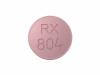

Fluconazole: Uses, Dosage, Safety and Interactions
Fluconazole is a prescription azole antifungal medicine used for selected yeast and fungal infections. It works by interfering with ergosterol production, an essential component of fungal cell membranes. The correct treatment depends on the organism, infection site, severity, immune status, kidney function, and other medicines. Patients with a valid prescription may buy Fluconazole from a licensed pharmacy when a clinician has confirmed that it is appropriate. Fluconazole price can differ by strength, quantity, dosage form, pharmacy, and coverage, but affordability concerns should be raised with the prescriber rather than addressed by taking fewer doses.
Symptoms that resemble a yeast infection can also result from bacterial infection, sexually transmitted infection, inflammatory conditions, or another medical problem. Self-diagnosis can delay correct care, especially with recurrent, severe, or unusual symptoms. Fluconazole may be used as a single dose for certain uncomplicated vaginal candidiasis cases, but other infections require a different dose, a longer course, laboratory testing, or specialist treatment. Complete the prescribed course unless the clinician tells you to stop.
Indications
Depending on the product label and clinical circumstances, fluconazole is used for vaginal candidiasis, oral and esophageal candidiasis, urinary tract candidiasis, peritonitis, systemic Candida infections, and cryptococcal meningitis. It may also be used to prevent certain fungal infections in patients at high risk because of immune suppression. It does not treat viral illnesses, bacterial infections, or every skin rash. The clinician should identify the likely infection and determine whether local treatment, oral fluconazole, or another antifungal is the safest option.
People with repeated vaginal symptoms, fever, pelvic or abdominal pain, sores, foul-smelling discharge, pregnancy, diabetes, immune suppression, or symptoms that do not improve should obtain medical assessment rather than repeatedly treating themselves. This is especially important because resistant or non-albicans Candida species may need an alternative approach.
Dosage
Take Fluconazole exactly as prescribed. It may be taken with or without food, and the oral tablet or suspension should be used according to the product instructions. Dose and duration vary widely: a clinician may prescribe a single dose for a specific uncomplicated infection, while invasive or central nervous system infections require carefully managed longer courses. Kidney impairment may require dosage adjustment. A missed dose should be taken when remembered unless it is nearly time for the next dose; do not double up.
Common available strengths include 50 mg, 100 mg, 150 mg, and 200 mg, but availability and formulations differ. The 50 mg presentation should be used only according to the written prescription. Patients may buy Fluconazole 100 mg only when the clinician has selected that strength for the diagnosed infection. A patient may buy Fluconazole 150 mg when a clinician confirms that a single-dose or other prescribed regimen is suitable. Patients may buy Fluconazole 200 mg only with clear directions for that strength, schedule, and treatment duration. Fluconazole price should be checked for the exact strength and number of doses ordered.
Do not stop an extended treatment course early because symptoms improve, and do not repeat a single-dose regimen without professional advice. If vomiting prevents you from keeping the medicine down, or if symptoms worsen or persist, contact the prescriber. A pharmacist can help confirm the dosage form, but only the prescriber should change the total dose or duration.
Safety Information
Do not use Fluconazole if you have had a serious allergic reaction to fluconazole or a product component. Tell the prescriber about liver disease, kidney impairment, an abnormal heart rhythm, a history of QT prolongation, low potassium or magnesium, pregnancy, breastfeeding, and all current medicines. Fluconazole can cause liver injury, including rare serious cases. For prolonged therapy or patients with liver-risk factors, clinical and laboratory monitoring may be appropriate.
Common side effects can include headache, nausea, abdominal pain, diarrhea, indigestion, dizziness, and rash. Seek urgent medical care for yellowing of the skin or eyes, dark urine, pale stools, severe fatigue, persistent vomiting, severe abdominal pain, fainting, a fast or irregular heartbeat, seizures, blistering or peeling rash, facial swelling, wheezing, or trouble breathing. These symptoms may indicate a serious liver, heart-rhythm, skin, or allergic reaction.
Fluconazole can prolong the QT interval in susceptible people, particularly when combined with other medicines that affect heart rhythm. Avoid driving or hazardous tasks until you know whether it causes dizziness. Pregnancy decisions are clinical decisions: exposure risks vary with dose, duration, timing, and the infection being treated. Anyone who is pregnant, may be pregnant, or is planning pregnancy should discuss treatment promptly with a qualified clinician.
Interactions
Fluconazole can affect the metabolism of many medicines and can raise their concentrations. Important examples include warfarin and other anticoagulants, phenytoin, cyclosporine, tacrolimus, certain sulfonylurea diabetes medicines, some benzodiazepines, statins, rifabutin, and several medicines used for heart rhythm conditions. The risk is not limited to this list. Some combinations can increase bleeding, low blood glucose, muscle injury, sedation, kidney effects, or QT prolongation.
Do not combine Fluconazole with quinidine; this combination is contraindicated because of heart-rhythm risk. Fluconazole with erythromycin should generally be avoided due to the potential for QT prolongation and torsades de pointes. Give the prescriber and pharmacist a complete list of medicines, supplements, and recent treatments before the first dose and whenever a new product is added. Patients obtaining Fluconazole should use a pharmacy that checks the prescription and interaction profile. Fluconazole price is not a reason to select a different strength, split doses, or substitute another antifungal without medical approval.
Medical disclaimer: This content is for informational purposes only and does not replace advice, diagnosis, or treatment from a licensed healthcare professional. It is not a substitute for the approved product information or emergency care. Patients should follow their prescriber’s directions and consult their healthcare professional about personal medical decisions, symptoms, medicines, and treatment changes.


| Leveringsmåte | Leveringstid | Pris | |
 Luftpost tjeneste Levering Luftpost tjeneste Levering |
14-21 dager | 10$ | Sporing # tilgjengelig i 4 dager |
 Sporbar tjeneste Levering Sporbar tjeneste Levering |
9-14 dager | 30$ | Sporing # tilgjengelig i 2 dager |
- Frakt over hele verden
- Konfidensialitet og anonymitet garanti
- Trygt og sikkert
- Diskrete pakker
- Afsendelse af ordrer indenfor 24 timer
- 100% levering success