


- Bestselgere
- COVID-19
- Alkoholisme
- Allergi
- Anti Sopp
- Alzheimers Sykdom
- Antiviral Midler
- Anti-depressiva
- Betennelsesdempende
- Antibakteriell
- Antibiotika
- Antiparasittmiddel
- Gikt
- Astma
- Prevensjon
- Blodtrykk
- Kreft
- Kardiovaskulær
- Kolesterol
- Diabetes
- Diuretika
- Erektil Dysfunksjon
- Øyedråper
- Gastro Helse
- Generell Helse
- Håravfall
- Hepatitt C Virus (HCV)
- Urter
- HIV
- Hormoner
- Menns ED Pakker
- Menns Helse
- Psykisk Sykdom
- Reisesyke
- Muskelrelakserende
- Smertestillende
- Parkinsons Sykdom
- Røykeslutt
- Hudpleie
- Søvnhjelp
- Vekttap
- Veterinære Legemidler
- Vitaminer
- Kvinners Helse
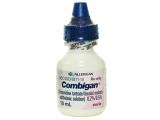
Combigan ( Brimonidine Tartrate and Timolol Maleate )

Combigan Eye Drops: Uses, Dosing, Safety, and Treatment Guidance
Combigan is a prescription ophthalmic solution used to lower raised intraocular pressure (IOP) in adults with open-angle glaucoma or ocular hypertension when a single medicine does not adequately control pressure. Its active ingredients are brimonidine tartrate and timolol maleate: brimonidine is an alpha-2 adrenergic agonist and timolol is a non-selective beta-adrenergic blocker. Together, they reduce aqueous-humor production inside the eye; brimonidine also supports uveoscleral outflow.
- Primary use: reduction of elevated IOP associated with open-angle glaucoma or ocular hypertension.
- Usual adult dose: one drop in the affected eye or eyes twice daily, about 12 hours apart.
- Strength: brimonidine 0.2% and timolol 0.5% ophthalmic solution.
- Important restriction: it must not be used by people with bronchial asthma, severe COPD, sinus bradycardia, second- or third-degree atrioventricular block, or overt cardiac failure without appropriate medical advice.
What questions does this Combigan page answer?
- What is Combigan used for in glaucoma and ocular hypertension?
- How should the eye drops be applied and how long should a person wait between different eye medicines?
- What are the most common and most serious Combigan side effects?
- Can Combigan interact with alcohol, antidepressants, heart medicines, or other eye drops?
- Is Combigan appropriate during pregnancy, breastfeeding, asthma, diabetes, or heart disease?
- What should a patient do after a missed dose or suspected overdose?
What is Combigan used for?
Combigan is used to reduce pressure within the eye, not to reverse existing loss of vision. Persistently high IOP can injure the optic nerve, the nerve that carries visual signals from the eye to the brain, and may contribute to progressive visual-field loss in glaucoma. Regular pressure monitoring and eye examinations remain necessary even when the drops are used consistently and the eyes feel normal.
The two medicines in this fixed-dose combination work through complementary pathways. Timolol lowers the formation of aqueous humor, the clear fluid produced in the ciliary body. Brimonidine decreases aqueous-humor production and can increase drainage through the uveoscleral route. A clinician may prescribe this combination when separate treatment is impractical or when pressure remains above the individualized target with one ocular hypotensive medicine.
How should Combigan eye drops be used?
Use exactly the schedule prescribed by the ophthalmologist. The standard regimen is one drop in the affected eye or eyes twice a day, approximately 12 hours apart. Wash hands before use, tilt the head back, pull down the lower eyelid to create a small pocket, and place one drop without touching the bottle tip to the eye, eyelid, fingers, or another surface. Close the eye gently afterwards.
To limit systemic absorption, press lightly with a finger at the inner corner of the closed eye near the nose for about one to two minutes. This technique, called nasolacrimal occlusion, reduces drainage into the tear duct and may lower the chance of body-wide beta-blocker effects. If more than one topical eye medicine is needed, wait at least five minutes between products. Contact lenses should be removed before use and may usually be reinserted after 15 minutes, unless the prescriber gives other instructions.
A prescription should be assessed for suitability before purchase. When comparing availability, buy Combigan only from a properly licensed pharmacy and verify that the dispensed bottle matches the prescriber’s instructions. The standard formulation is the combined brimonidine 0.2%/timolol 0.5% solution; buy Combigan 0.2%/0.5% only when that exact strength appears on a valid prescription.
What are the most common side effects of Combigan?
Common effects include temporary burning, stinging, redness, itching, dryness, blurred vision, a foreign-body sensation, headache, tiredness, dizziness, dry mouth, and altered taste. These effects are often mild, but persistent ocular irritation, worsening redness, eyelid swelling, discharge, or changes in vision should be discussed promptly with an eye-care professional. Do not drive, operate machinery, or perform tasks requiring clear vision until any blur or drowsiness has resolved.
Timolol absorbed through the eye can occasionally produce systemic beta-blocker reactions, including slow pulse, low blood pressure, fainting, wheezing, shortness of breath, or worsening heart failure. Urgent medical evaluation is appropriate for chest pain, severe breathing difficulty, facial or throat swelling, a severe rash, marked weakness, or a slow or irregular heartbeat. Tell the clinician about a history of depression, poor circulation, thyroid disease, diabetes, kidney or liver problems, and myasthenia gravis, since symptoms or monitoring needs may differ.
Who should not use Combigan or needs extra medical supervision?
Combigan is contraindicated in patients with reactive airway disease such as asthma, a history of asthma, severe chronic obstructive pulmonary disease, sinus bradycardia, certain heart blocks, cardiogenic shock, or uncontrolled heart failure. It should not be used by anyone known to be hypersensitive to brimonidine, timolol, or any listed component. Because beta-blockers can mask warning signs of low blood glucose and overactive thyroid activity, people with diabetes or hyperthyroidism need particular clinical guidance.
For pregnancy and breastfeeding, the decision should be individualized. There may be circumstances in which controlling glaucoma is important, but the prescriber should weigh maternal benefit against possible fetal or infant exposure. Do not start, stop, or change this medicine because of pregnancy plans without speaking to the clinician managing the eye condition and, when relevant, the obstetric team.
How does Combigan interact with alcohol and other medicines?
Alcohol can add to dizziness, fatigue, or low blood pressure in susceptible people, so limiting alcohol and observing the individual response is prudent. Combigan may interact with oral beta-blockers, calcium-channel blockers, digoxin, antiarrhythmics, clonidine, blood-pressure medicines, central nervous system depressants, and medicines that affect heart rhythm or blood pressure. Monoamine oxidase inhibitors and certain tricyclic antidepressants can also require special consideration because of brimonidine’s adrenergic activity.
Provide a complete medicine list that includes prescription medicines, over-the-counter products, herbal preparations, and other glaucoma drops. Do not use another timolol-containing eye product unless the ophthalmologist specifically directs it. A pharmacist can help assess whether a current Combigan price reflects the prescribed pack and strength, but cost should never determine whether a prescribed treatment is stopped or substituted without clinical approval.
What should happen after a missed Combigan dose or an overdose?
Apply a missed dose when remembered unless it is nearly time for the next scheduled dose. In that case, skip the forgotten dose and resume the usual schedule. Do not place extra drops or double the dose. Applying more than prescribed does not improve pressure control and can increase adverse effects.
Accidental swallowing or excessive exposure, especially in children, may cause unusual sleepiness, low body temperature, slow heart rate, low blood pressure, breathing problems, or loss of consciousness. Seek urgent medical help or contact a poison-control service immediately after suspected ingestion or overdose. Keep the bottle securely closed and out of the reach of children.
How should Combigan be stored and monitored?
Store the bottle at room temperature, protected from excessive heat and light, and keep the cap tightly closed. Do not use the solution if it is discolored, cloudy, or past its labeled expiry date. Follow the pharmacy label and product instructions regarding disposal after opening. Keep all scheduled IOP checks because only an examination can confirm whether pressure is controlled and the optic nerve remains stable.
Before ordering a refill, confirm the prescribed quantity and remaining supply. Patients may buy Combigan through an authorized pharmacy after their prescription has been confirmed, and should check the bottle label every time it is dispensed. Combigan price can vary by pharmacy, package size, insurance coverage, and local dispensing policies; ask the pharmacy about available prescription-payment options without changing the prescribed treatment independently.
What should be considered before continuing Combigan treatment?
Continue treatment for as long as it is prescribed, even if there are no symptoms, because high eye pressure often causes no pain or early warning. Report troublesome effects rather than stopping suddenly; the prescriber can determine whether technique, timing, another medicine, or an urgent examination is needed. For an authorized refill, buy Combigan after confirming the current dose and any recent changes to heart, lung, or diabetes treatment. A final Combigan price comparison is best made between equivalent prescribed products from licensed pharmacies.
This information is educational and does not replace individual advice from an ophthalmologist, pharmacist, or other qualified clinician. Use this prescription medicine only for the person for whom it was prescribed and follow the product label and professional directions.


| Leveringsmåte | Leveringstid | Pris | |
 Luftpost tjeneste Levering Luftpost tjeneste Levering |
14-21 dager | 10$ | Sporing # tilgjengelig i 4 dager |
 Sporbar tjeneste Levering Sporbar tjeneste Levering |
9-14 dager | 30$ | Sporing # tilgjengelig i 2 dager |
- Frakt over hele verden
- Konfidensialitet og anonymitet garanti
- Trygt og sikkert
- Diskrete pakker
- Afsendelse af ordrer indenfor 24 timer
- 100% levering success