


- Bestselgere
- COVID-19
- Alkoholisme
- Allergi
- Anti Sopp
- Alzheimers Sykdom
- Antiviral Midler
- Anti-depressiva
- Betennelsesdempende
- Antibakteriell
- Antibiotika
- Antiparasittmiddel
- Gikt
- Astma
- Prevensjon
- Blodtrykk
- Kreft
- Kardiovaskulær
- Kolesterol
- Diabetes
- Diuretika
- Erektil Dysfunksjon
- Øyedråper
- Gastro Helse
- Generell Helse
- Håravfall
- Hepatitt C Virus (HCV)
- Urter
- HIV
- Hormoner
- Menns ED Pakker
- Menns Helse
- Psykisk Sykdom
- Reisesyke
- Muskelrelakserende
- Smertestillende
- Parkinsons Sykdom
- Røykeslutt
- Hudpleie
- Søvnhjelp
- Vekttap
- Veterinære Legemidler
- Vitaminer
- Kvinners Helse
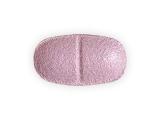
Generic Colcrys ( Colchicine )


Colcrys (colchicine): uses, dosing, safety, and interaction information
Colcrys is the brand name for colchicine, an oral anti-inflammatory medicine used to treat gout flares and to prevent recurrent attacks; it is also used for familial Mediterranean fever (FMF). Colchicine belongs to the colchicine alkaloid class and works by disrupting microtubules in inflammatory cells, reducing neutrophil movement and the inflammation that causes gout pain, swelling, redness, and tenderness. It relieves inflammation but is not a painkiller and does not lower uric acid.
- Indications: treatment of acute gout flares, prevention of gout flares, and treatment of familial Mediterranean fever.
- Dosage: use only the individualized regimen prescribed by a clinician; kidney function, liver function, age, and interacting medicines can require a lower dose.
- Do not use without medical advice: if you have a colchicine allergy or take certain strong CYP3A4 or P-glycoprotein inhibitors, especially when kidney or liver function is impaired.
What is Colcrys used for?
Colcrys treats acute gout attacks and can be prescribed as prevention for people who have repeated gout flares, including attacks that can occur when urate-lowering therapy is started. Gout is an inflammatory arthritis caused by monosodium urate crystal deposition, commonly affecting the big-toe joint, foot, ankle, knee, wrist, or elbow. For FMF, colchicine reduces inflammatory episodes and helps prevent amyloid A protein buildup that can damage the kidneys over time.
Colchicine may occasionally be used by specialists for other inflammatory conditions, but those uses are not interchangeable with approved Colcrys treatment. Do not use another person's tablets or begin treatment for unexplained joint pain without a diagnosis. A pharmacist can explain formulation availability, but the safest choice depends on the prescription, insurance coverage, and the exact quantity dispensed.
How does Colcrys work for gout and familial Mediterranean fever?
Colchicine binds to tubulin, a cellular protein required to form microtubules. This action limits neutrophil activation, migration, and release of inflammatory signals in response to urate crystals. In FMF, it helps control innate inflammatory pathways. Because Colcrys acts on inflammation rather than dissolving crystals or reducing serum urate, people with gout may still need a separate long-term urate-lowering medicine such as allopurinol or febuxostat when their clinician recommends it.
What is the usual Colcrys dosage?
For an acute gout flare in adults, the labeled regimen is commonly 1.2 mg at the first sign of a flare, followed by 0.6 mg one hour later; do not repeat this course earlier than directed by the prescriber. For prevention of gout flares, a clinician may prescribe 0.6 mg once or twice daily. FMF dosing is individualized and may be divided during the day. Do not change the amount, frequency, or duration yourself, and do not take an extra dose after vomiting unless a clinician tells you to do so.
People comparing options should ensure that the dosage printed on the prescription exactly matches the package. If the prescribed strength is appropriate, patients may buy Colcrys 0.6 mg only through a legitimate pharmacy using a valid prescription. The Colcrys price may differ by pharmacy, pack size, location, insurance benefit, and whether a lower-cost colchicine product is clinically suitable.
Who should not take Colcrys?
Do not take Colcrys if you have had a serious hypersensitivity reaction to colchicine. Serious toxicity can occur when colchicine is combined with a strong CYP3A4 inhibitor or P-glycoprotein inhibitor in a person with kidney impairment or liver impairment. Before treatment, tell the prescriber about chronic kidney disease, liver disease, heart disease, older age, stomach ulcer disease, ulcerative colitis, Crohn's disease, intestinal bleeding, blood disorders, and all medicines and supplements.
Pregnancy and breastfeeding require individualized medical advice. Colchicine can pass into breast milk, and the potential benefit and risk should be discussed with the clinician managing the condition. Never decide to buy Colcrys based solely on symptoms or an online description; a clinician must confirm that the medicine and dose are appropriate.
What are the most common side effects of Colcrys?
The most common side effects are diarrhea, nausea, vomiting, abdominal pain, and cramping. These symptoms can signal that the dose is too high for the individual, especially if they are severe or persistent. Contact a clinician promptly for troublesome gastrointestinal effects rather than continuing to take additional doses.
Less common but serious adverse effects include muscle pain or weakness, numbness or tingling, unusual bruising or bleeding, fever or infection signs, pale skin, severe fatigue, hair loss, and low blood cell counts. Colchicine toxicity may cause myopathy, neuropathy, rhabdomyolysis, bone-marrow suppression, or organ failure. Seek urgent care for severe vomiting or diarrhea, confusion, fainting, breathing difficulty, severe weakness, or a suspected overdose.
What are the long-term side effects of Colcrys?
Long-term therapy can be appropriate for selected patients, particularly for FMF or prevention of recurrent gout flares, but it requires periodic clinical review. With prolonged use, clinicians may monitor blood counts, kidney and liver function, and new muscle or nerve symptoms. The risk of serious muscle injury or blood toxicity rises when colchicine accumulates because of impaired elimination, excessive dosing, or interactions. Report muscle tenderness, progressive weakness, dark urine, tingling, recurrent infections, or unexplained bruising immediately.
How does Colcrys interact with alcohol?
Alcohol does not create a single predictable colchicine interaction, but it can trigger or worsen gout attacks, irritate the stomach, contribute to dehydration, and make nausea or diarrhea harder to manage. Limiting or avoiding alcohol is generally sensible during a gout flare and while taking Colcrys, especially if alcohol has previously triggered symptoms. Ask the treating clinician for advice that accounts for your gout history, liver health, and other medicines.
Which medicines and foods interact with Colcrys?
Colchicine is metabolized through CYP3A4 and transported by P-glycoprotein. Important interacting medicines include clarithromycin and erythromycin; ketoconazole, itraconazole, and fluconazole; ritonavir and other HIV protease inhibitors; cyclosporine; verapamil; diltiazem; amiodarone; ranolazine; nefazodone; and aprepitant. Grapefruit and grapefruit juice may also increase colchicine exposure. Statins and fibrates can add to the risk of muscle toxicity. Provide a complete current medication list before starting, stopping, or changing any treatment.
Do not buy Colcrys from a source that cannot screen for these interactions or verify the prescription. A pharmacist can check whether a dose adjustment, temporary interruption, or alternative treatment is needed. If cost is a concern, ask the pharmacy about the Colcrys price for the prescribed supply before dispensing it.
What should I do if I miss a dose or take too much Colcrys?
If you miss a scheduled preventive or FMF dose, take it when remembered unless it is nearly time for the next dose. Skip the missed dose when appropriate and return to the regular schedule; never double doses. Instructions for an acute gout regimen differ, so follow the prescription label and call the prescriber when unsure.
Colchicine overdose is a medical emergency and can become life-threatening even before severe symptoms are obvious. Call local emergency services or poison control immediately after taking more than prescribed. Do not wait for vomiting, diarrhea, abdominal pain, dizziness, muscle weakness, or reduced urine output to become severe. Keep the medicine out of reach of children.
How should Colcrys be stored?
Store tablets at controlled room temperature, generally 20°C to 25°C (68°F to 77°F), in the original tightly closed container. Protect them from excess moisture, direct sunlight, and heat. Do not store tablets in a damp bathroom or transfer them to an unlabeled container. Dispose of unused or expired medicine through a pharmacy take-back program when available.
How can patients make informed Colcrys purchasing decisions?
Patients should buy Colcrys only after a prescriber has assessed the diagnosis, current medicines, kidney and liver function, and appropriate dose. Before filling the prescription, compare the Colcrys price for the same quantity and strength, and ask whether the prescribed product is covered or whether an approved alternative is suitable. Do not substitute products, split tablets, or use leftover colchicine without professional advice.
When you buy Colcrys from a licensed pharmacy, check that the label includes your name, the prescribed directions, the correct strength, and pharmacist contact information. The Colcrys price should never be the only factor: prompt evaluation is essential for severe gout symptoms, fever, suspected infection, medication interactions, pregnancy questions, or any sign of colchicine toxicity. For ongoing therapy, keep follow-up appointments and bring every prescription, over-the-counter product, vitamin, and herbal supplement to medication reviews.
Important medical disclaimer
This page provides general educational information and does not replace diagnosis, prescribing advice, or individualized treatment from a qualified healthcare professional. Colchicine has a narrow therapeutic index, meaning a small difference in exposure can cause serious harm. Follow the medication label and the instructions of your prescriber and pharmacist. Seek immediate medical help for suspected overdose, severe side effects, or an allergic reaction.


| Leveringsmåte | Leveringstid | Pris | |
 Luftpost tjeneste Levering Luftpost tjeneste Levering |
14-21 dager | 10$ | Sporing # tilgjengelig i 4 dager |
 Sporbar tjeneste Levering Sporbar tjeneste Levering |
9-14 dager | 30$ | Sporing # tilgjengelig i 2 dager |
- Frakt over hele verden
- Konfidensialitet og anonymitet garanti
- Trygt og sikkert
- Diskrete pakker
- Afsendelse af ordrer indenfor 24 timer
- 100% levering success